4 pillars of marketing to students
Student Marketing, a niche boutique market in its own right, understood fully by few and overlooked by many. Brands that spend time to understand how important students are, how they can become lifelong customers and how they have the ability to drive advocacy, experience the advantages of this incredibly lucrative segment.
But why is this segment so lucrative and why is it so critical for brands to dedicate energy and investment into it? It comes down to the simple foundations of this segment of youth marketing; The 4 Pillars of Marketing to Students.
Pillar 1 – Early Adopters by Nature
Firstly student are in nature, generally Early Adopters; the power behind this statement is delivered by them experiencing a milestone in their life, that being a true and real taste of independence.

For many students the first moments at University allows or even forces them to make their own choices, they decide what they think, what they do and more importantly for brands, what they buy and who they invest their time with. They are now, for the most part, outside the protection and constraints of their parents or guardians. With this new found independence, they try the new, they experiment and open their horizons to what the world has to offer. They are also seeking and gaining emotional securities with brands that will build their own identity as they journey through University life and beyond. This really is a key milestone in an individual’s life where old brand alliances formed during their childhood can and do change.
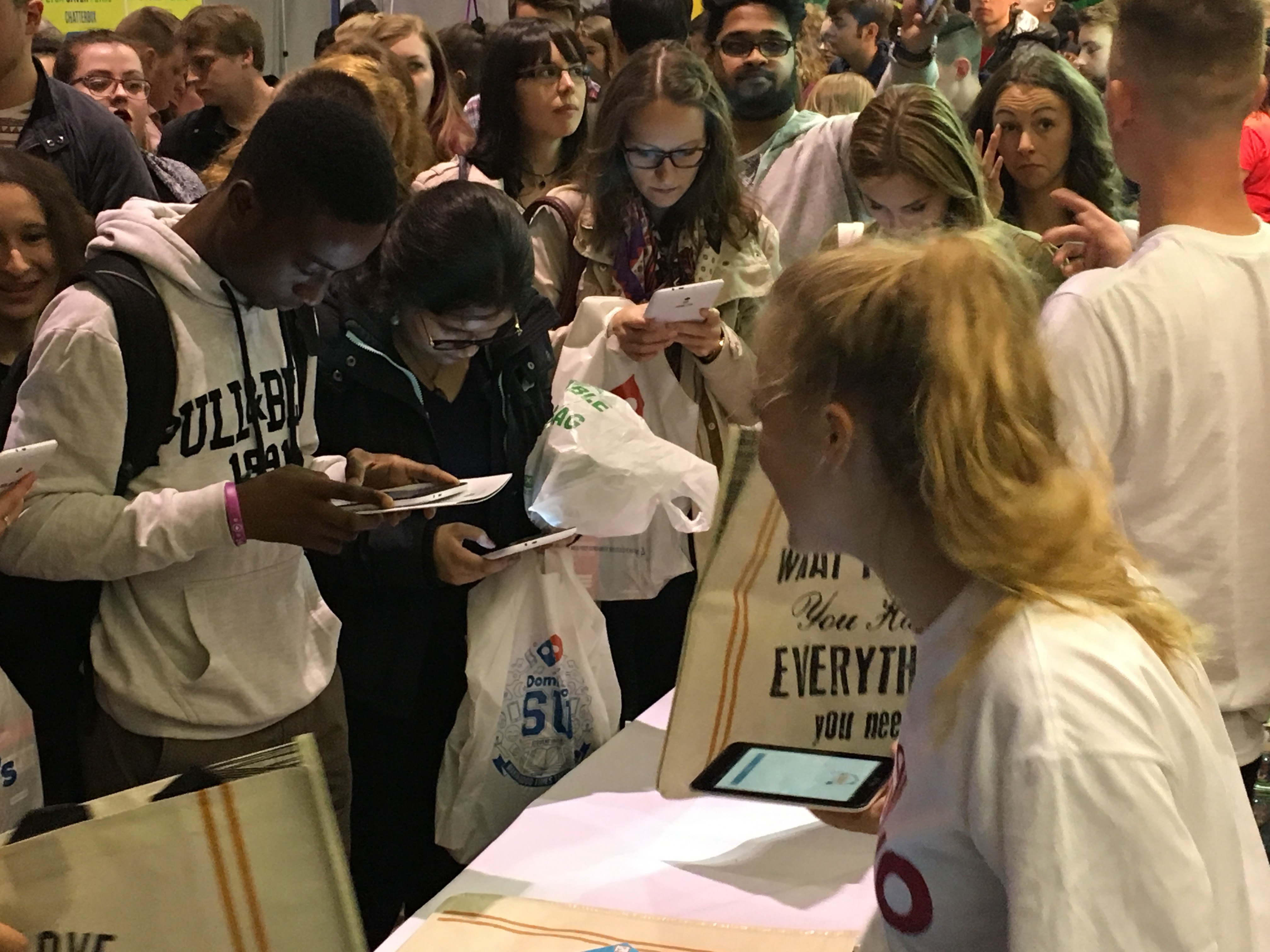
At BAM we conduct national freshers fair exit polls. One of our key insights that on face value may seem hard to believe, is that close to a ¼ of students attending Freshers Fairs were not familiar with some of the big brand names such as Domino’s, Gregg and Virgin Media. Of these students, over half stated they would go on to purchase from these brands as a result of learning of and interacting with these brands during the Freshers events.
This stat may seem far fetched but let’s not forget that students arrive to Universities from across the country and the world and so many are experiencing a new way of life.Students may not have had access to these brands due to parental/guardian guidance, geographical location, or their countries culture.

Think of these new students like Paddington Bears, arriving to a new way of life for the first time, having to make there own choices, right down to the brand of marmalade for their sandwiches.
Pillar 2 – Instant Community Environment
All students live in a Community Environment which forms the second Pillar. All Universities form a campus based community for its students, some more so than others, but in general they all provide this.
So why is this beneficial to brands? A community environment allows for brand activations to spread like wildfire. Being in a community of like minded individuals all going through a similar journey at the same time, simply allows for early adoption and uptake to happen more rapidly.
Over the years we have witnessed the power of this pillar in the UK with several brands;
- RedBull – their well established student brand ambassador program, which has been running since the late 90’s.
- Dominos – consistently dominate the student pizza market
- FaceBook – which started in Harvard University in the US back in 2005
- Tinder – launched a college advertising program at the start of 2012 and built their brand with 80% of their audience being 18 to 24 year olds
To gain serious advantage in this environment and under these conditions brands must get their brand message and timing right.
Pillar 3 – Access to Expendable Cash
The Third Pillar is their Access to Expendable Cash. There are many sources out there that show just how big the spending power is of students in the UK market. All sources roughly deliver the same figures, give or take a few 100 million. Overall it is perceived that students inject approximately 23 billion into the economy each year. The bulk of this is spent on accommodation, however they spend approximately 3.5 billion on food, 2 billion on socialising and another 2 billion on nonessential items (clothing alone accounting for 1 billion of this figure).
So if we link this back to the early adoptive nature of students, it’s no coincidence that reports like this from the Independent are being published:
Every year, this segment has an influx of 600,000 new students arriving each year from all corners of the UK and globe, embarking on a key life changing milestone period in their lives, where they seek out the new and find their own personal independence and identity, all of which they do whilst having access to cash, expendable cash. If you are not marketing to students currently, what are you waiting for?
Pillar 4 – Brand Loyalty is Hard Wired
The final Pillar is Brand Loyalty. After the first 3 months of University life, students start to settle down into their new surroundings. The choices and decisions they made during their first few months have started to take form and take hold which resonate with their new identity, their independence.
We see year on year brand loyalty forming during the Freshers period and remaining throughout their lifetime. The start of University life is one of those rare cross road points in life where a potential customer resets their brand allegiances, form new stronger allegiances which they find difficult to reset thereafter.
Marketing to students, is definitely not just about the here and now, it’s about creating life long brand advocates and customers. If you yourself went to University, think back to the brands you connected with when you started, how long did you stay with them? More interestingly are you still with them today?
Whether considering investment into the student market for the first time or reinvesting into this market, brands should understand that this market is a must for any brand in particular those where youth is a key demographic. It is quite simply the most lucrative, easily accessible and most viable segment of the youth market for any brand to focus their marketing towards.
Here at BAM, we advise and support our clients to maximise on these 4 pillars of marketing to students. We know students and we understand how best to position a brand to this audience. If you would like to know more about this market, please get in touch.




























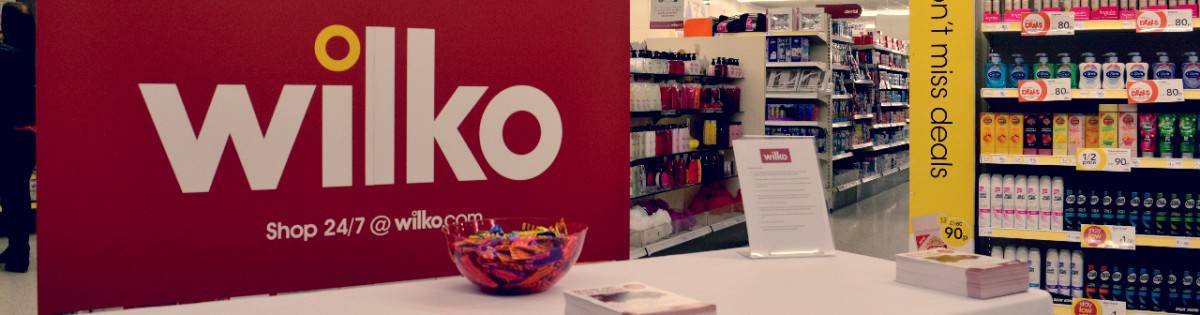
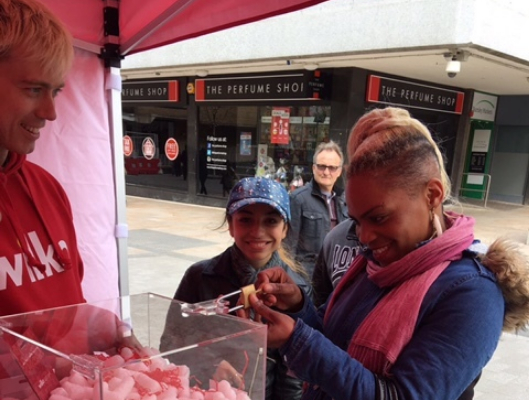
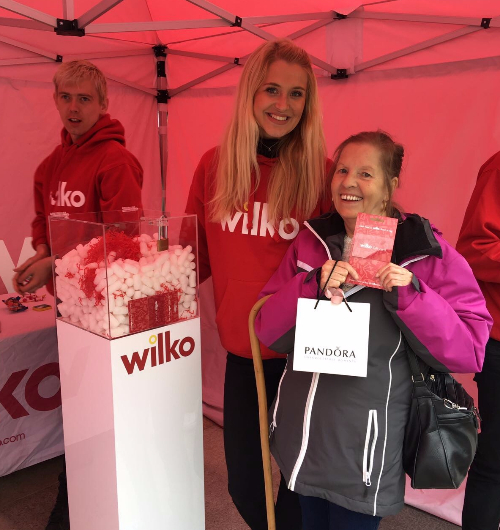

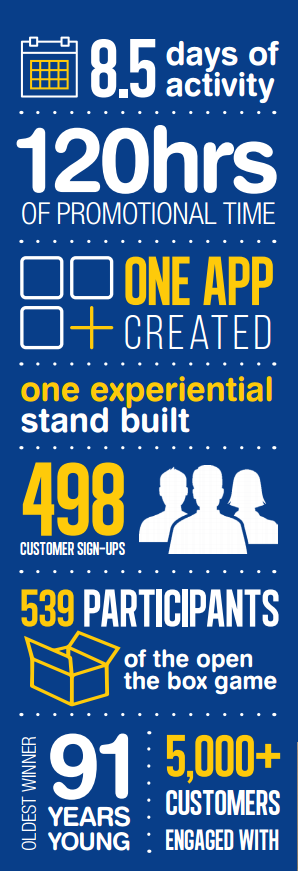




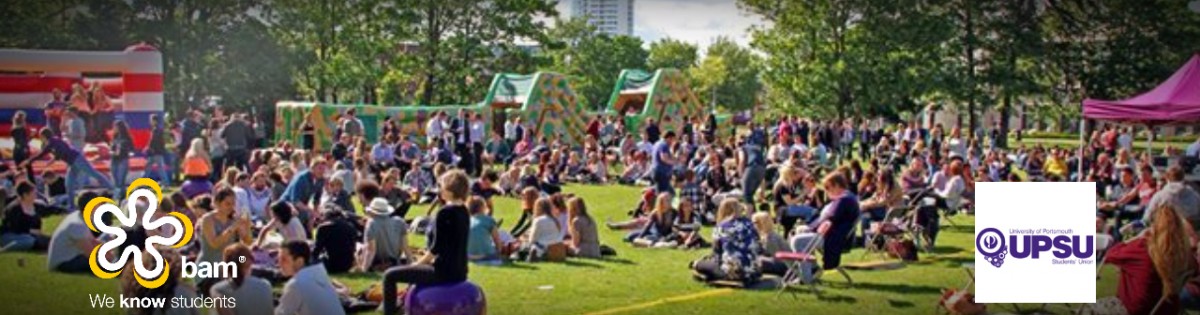
 The University of Portsmouth Students’ Union and student marketing experts BAM have signed a partnership agreement giving BAM sole rights to deliver media sales that connect both local and national businesses with the 26,000 University students in Portsmouth.
 The deal further boosts BAM’s media partnership portfolio, which also includes the University of Southampton Students’ Union, and doubles the agency’s youth market reach in the region.

 The vote to leave the European Union has had a huge effect on the UK university sector. Not only will it have an impact on the attitudes of international students and choosing to study abroad in the UK, but university fees have risen to a massive £9,250 a year, along with the cost of living, and could cost a typical undergraduate on a three year course £73,000 to go to university. With the staggering rise of fees and the associated costs of going to university, coupled with the government drive to promote apprentice schemes as another entry point into the working world, this could soon encourage young adults to consider alternative routes to employment. This is a serious situation for universities who need a big focus on marketing to show prospective students that it is worth it to go to university.


 A brand can identify and consistently communicate values that connect consumers with the brand. Brand community also allows managers to monitor consumers in reality, and even provide feedback. Brand communities are usually ran by the consumer for the consumer, so it can allow brands a real insight to their world. This further reduces marketing costs and authenticates brand meanings. Fresher’s students are a brand’s primary target, as they’re just settling into university and creating their identity. Brands can therefore help students feel as part of a community and create a sense of belonging.
 Now that all sounds very simple on paper, but what brand has successfully achieved a brand community? Starbucks has created one of the most successful brand communities to date, with millennials rushing to be part of the clique. Starbucks evolved their community with their campaign; My Starbucks Idea. They used a suggestion box concept, by inviting exclusive brand members to come up with new product ideas. In the first year it generated over 70,000 ideas from the campaign! Who knows, the new


 It’s like getting a recommendation from a friend, and influencers’ followers trust in what they say and promote. It’s similar to word of mouth but a modern, brand-manipulated, online word of mouth. Influencers spread the word on their blogs/vlogs and social media channels which can often mean there is the chance to be seen by thousands or sometimes millions. If you consider the chance of social media likes and shares, the content can go even further, even delivering solid ROI, including boosting sales – ideal if you are an online retailer!