

Why should local businesses target students?
Educated, tech-savvy and information hungry are a few ways of describing the most powerful generation. Who am I referring too? Millennials of course. This ambitious group of people essentially hold the key to the student market and once unlocked they could forever be a lifetime consumer of yours.
Millennials spend around 23 Billion per year, with this spending power, they cannot be ignored. Spending most of their money on accommodation, socialising and food, local businesses fit well within their bubble of life. If you can influence students to buy into your brand, you will reap the benefits as a result. Students will want to feel part of their local community and whether it’s discounts, rewards or incentives, students will feel more encouraged to repeat purchase from you and also organically spread positivity towards your brand throughout the student population about how well you meet their daily needs and requirements.
So, why should local business target this audience? If you can connect with this diverse group of individuals early on in their student life, you will have a chance at continuing to connect with them as they graduate, start careers, begin families of their own and progress towards retirement. Students make up a huge percentage of the marketplace and with more than 2.5 million students at university this is a massive market that cannot be overlooked. Finding out what matters to millennials is one of the key ways to earn their loyalty. If you can get a student to buy into your brand early this can only benefit your business!
Here are some tips on how to advertise your local business to students:
 Have a student discount offer
Student discount offers are a pivotal method to draw students to your brand, anything with a reward, offer or discount code attached will immediately attract their attention. 80% of students agree that an offer/discount would influence them to buy from a brand.
 Get social!
With millennials being so tech-savvy you can only imagine how much time is spent on social media channels. 40% of students prefer to be contacted by social media and with so many different channels and platforms available, there is sure to be one that works for you. It’s worth also keeping in mind that 81% of students use Facebook as their main social media channel of choice.
 Interact with pinnacle events
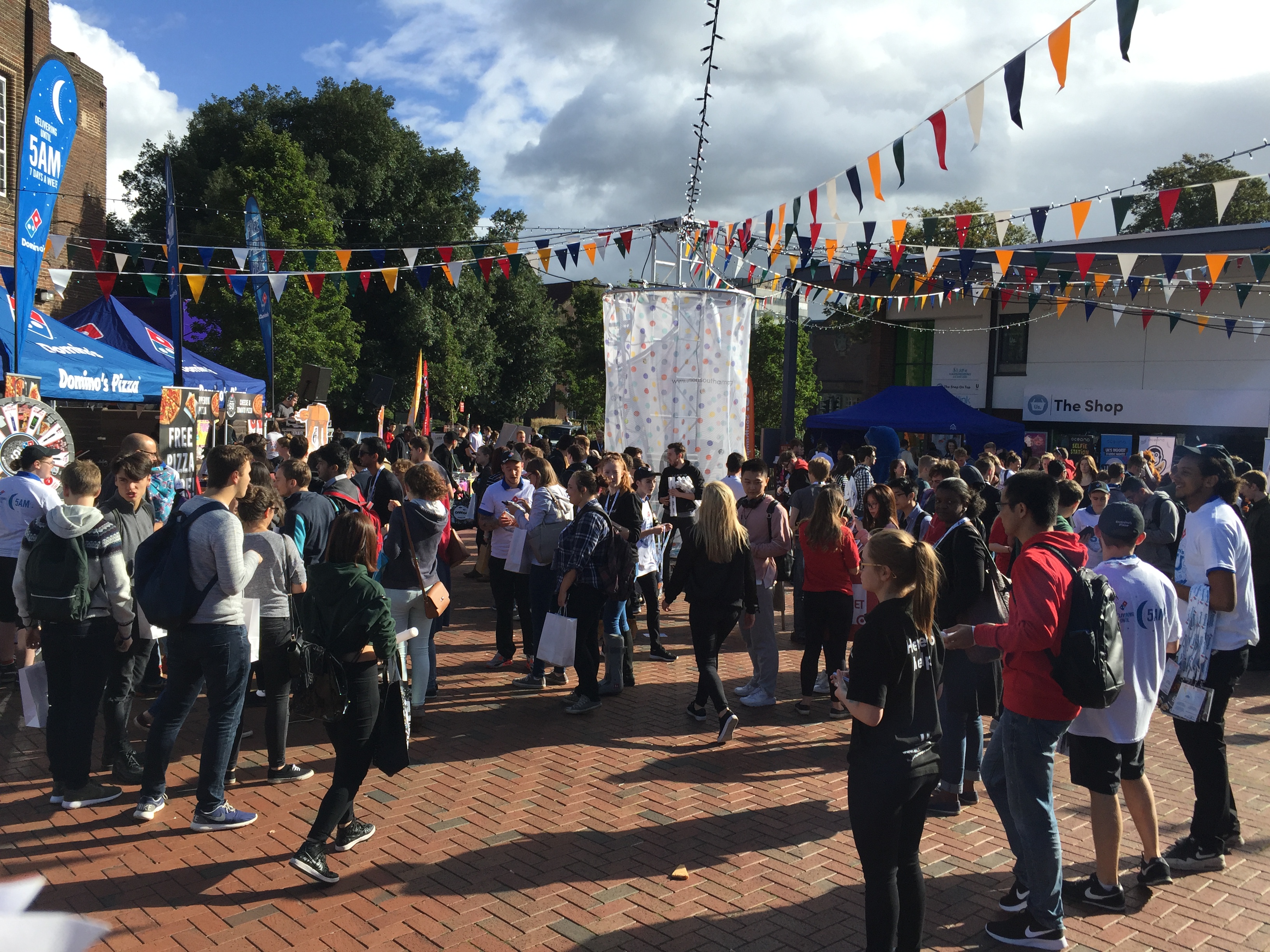
Two words – Fresher’s Fair. Introducing your brand to this event is the best decision a local business can make. Our recent survey showed us that 24% of students hadn’t heard of some of the brands at the fair and out of these students, 54% of them stated they would buy from brands after interacting with them during the freshers events. I cannot express how essential it is to bring freebies, offers and some fun and excitement to your stand; 67% of students attend the Fair because of the freebies. Local brands need to come to these events prepared. If you can nail the engagement, over half of the students that did not know you before would buy from you going forward.
Students are finding their feet at university, so if they can turn to your brand during their student journey then you’re sure to build a long lasting relationship with them, and gain a lifelong customer.
Written by: Emma Lawrence, Account Sales Executive, BAM Agency Ltd


 Approaching your campaign and brand identity with your audience in mind is integral to a successful brand. When targeting students, as we mentioned above, familiarity is a big part of creating an important connection with your audience. It’s also well known that there is a strong link between familiarity and trust as it creates a feeling of ease that allows your audience to be more open.
 Students won’t connect with brands if they feel they underestimate their intelligence or savviness. There can often be a voice in your head that will tell you to oversimplify things for a younger audience, but this is exactly what the modern generation of students doesn’t want or respond well to. The current generation of students want an authentic voice; they want to see and hear someone or something they can trust. They want to connect with brands that think about the environment around them, what their needs and wants are, and consider their impact on the wider world.
 Finally, be sure to keep in mind the platform you are using when putting together your content plans, as different channels require different strategies. For example, the way you talk to your Facebook audience will be drastically different to how you would talk to your Snapchat audience. Snapchat’s is known for attracting a younger demographic for its fun and flash features. You can be really creative and grasp attention quickly as there is a ‘fear of missing out’ as the content disappears after 24 hours. However, on Facebook, the demographic tends to be broader, so there are more mini-demographics to consider – again there is no one-size-fits-all here.